Showing posts with label dragonflies. Show all posts

Sunday, July 31, 2022

Fort, Berry, Smith

[Niobrara River Valley as seen from Ft. Niobrara Wilderness overlook. The Fort Falls drainage is just upstream from the cliff, partially obscured behind the ponderosa pine.]


[This prairie is just above Fort Falls, and starts at the parking area visible near the right edge of the lead photo.]

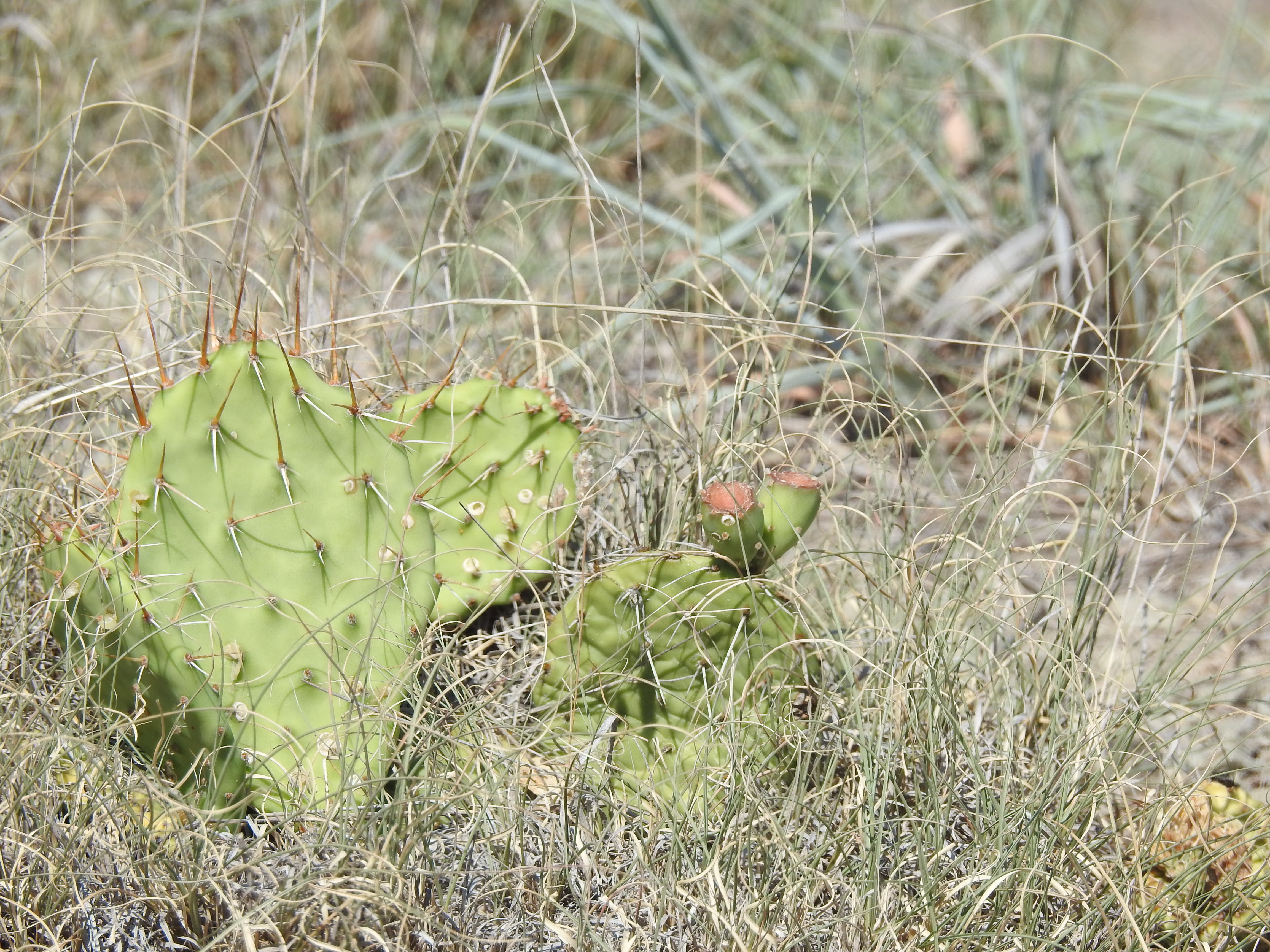
The Niobrara River Valley is a biological crossroads, with three distinct types of prairie (tallgrass, mixed-grass, and Sandhills) converging with three forest types (western coniferous, eastern deciduous, and northern boreal) in a relatively small area. This convergence of habitats makes the valley a hybridisation zone—I myself have seen Baltimore x Bullock's orioles along the river, and organisms from trees to butterflies have also been known to cross species barriers here. It also presents juxtapositions not easily found elsewhere, such as prickly pear and paper birch growing only a few hundred yards apart.
The paper birches, along with bigtooth and quaking aspens, are Ice Age relicts, representing northern boreal forest that was once prevalent here until the glaciers retreated and the climate warmed up, leaving the birches and aspen, plus associated mosses, ferns, etc. confined to cool, shaded, north-facing creek valleys—such as the one encompassing Fort Falls—feeding into the Niobrara. (Sadly, the present global warming phase may put paid to this ecological community along the river. Although the creek valleys are still cooler than the prairie above, many of the birches are dead or dying as average temperatures have risen beyond what they can reasonably tolerate.)


Fort Falls, like all of these creeks, spills out of the Ogallala Aquifer and runs trout-cold for a short distance before joining the warm Niobrara. At the confluence, Jessa and I found fresh raccoon tracks and then went for a short hike along the river, with American redstarts keeping us company on our side and common yellowthroats singing from the reeds and cattails across the way.


Since we were not kayaking this time, we couldn't follow the creek that terminates at Berry Falls, only photograph the falls from across the river at Berry Bridge. 


At Smith Falls, we had access from the base of the falls to the confluence. Originally known as Arikaree Falls, this is Nebraska's highest waterfall. 


Below the main falls is a secondary waterfall, not especially high but also attractive. 


Speaking of hybridisation, Smith Falls State Park is the type locality for "Smith aspen", a natural cross between the bigtooth and quaking aspens. It's believed to be endemic to the park. Next time we'll try to get photos of it and the parent species. For now, we'll close with the Verdigre Bridge. 


Monday, July 19, 2021

Dragonflies

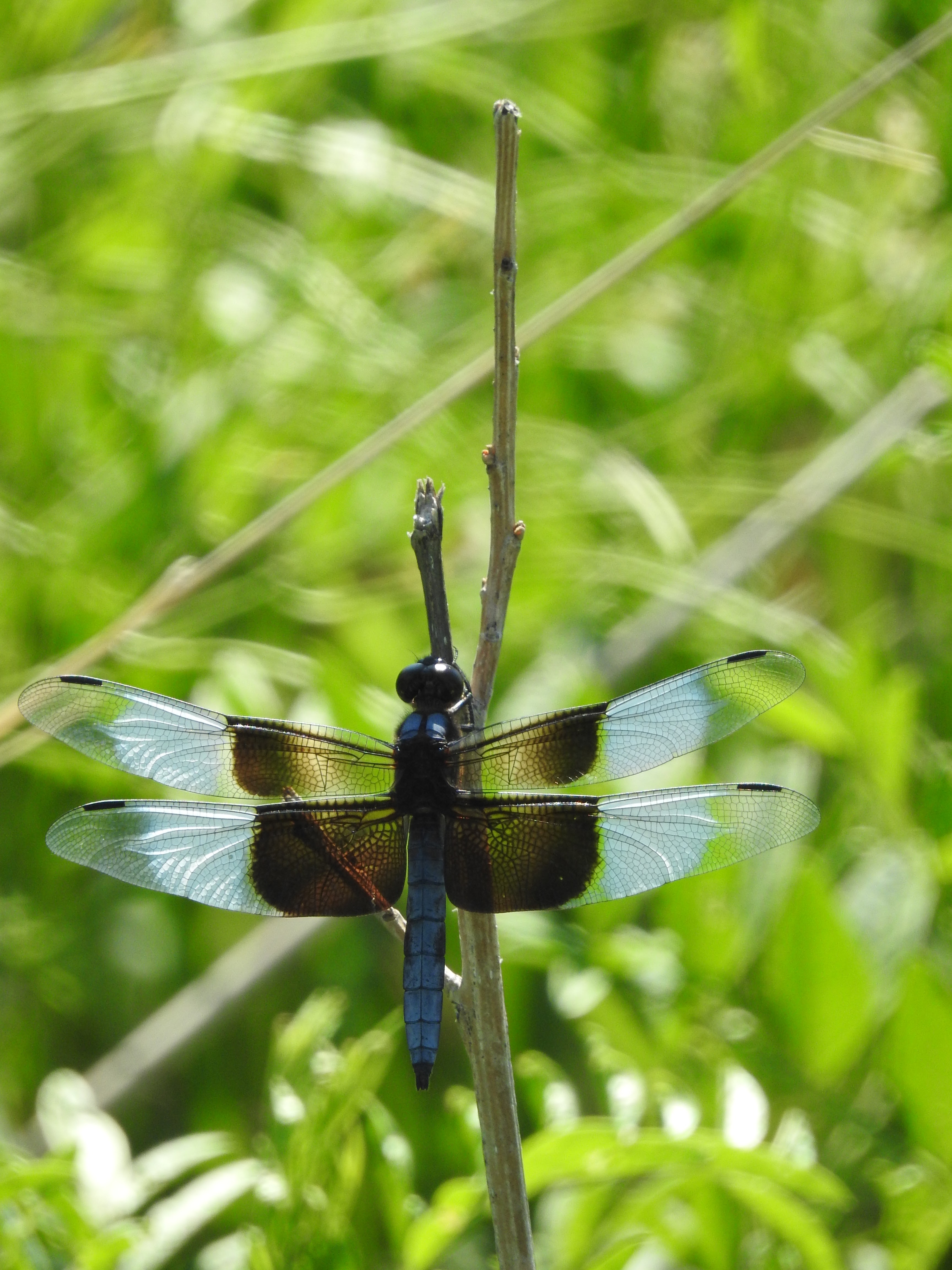
A few common dragonflies, all from a single pond in Cass County. Nothing we haven't photographed before, but we always enjoy them, so here you go.

[Blue dasher.]

[Meadowhawk of some kind, juvenile. Adults of our several local species are mostly red.]


[Mourning cloak.]


[Green darners. The male is contact-guarding the female while she lays eggs; he periodically takes flight, with her in tow, to select a new location for oviposition. This behaviour, according to Sidney Dunkle's excellent field guide Dragonflies Through Binoculars, is unique to green darners and some species of skimmers.]


Friday, July 9, 2021

Land Between the Lakes

On our way west from North Carolina, Jessa and I made an unplanned stop at Land Between the Lakes National Recreation Area in western Kentucky. (Kentucky Lake and Lake Barkley are the ones in question here, both created by the Tennessee Valley Authority as impoundments of the Tennessee and Cumberland Rivers, respectively.) I had visited once before—camped there, in fact—on my way from Athens, Georgia to a summer job hacking peregrines in Augusta, Montana. That trip had given me my first glimpse of the American West, and in some ways set the stage for my current life in Nebraska. Two memories from Land Between the Lakes stood out: waking to find a brilliant prothonotary warbler perched on my Coleman stove, and the Elk-Bison Prairie. I had mentioned all this to Jessa, and when we saw signs for LBL along the interstate, she proposed a detour.

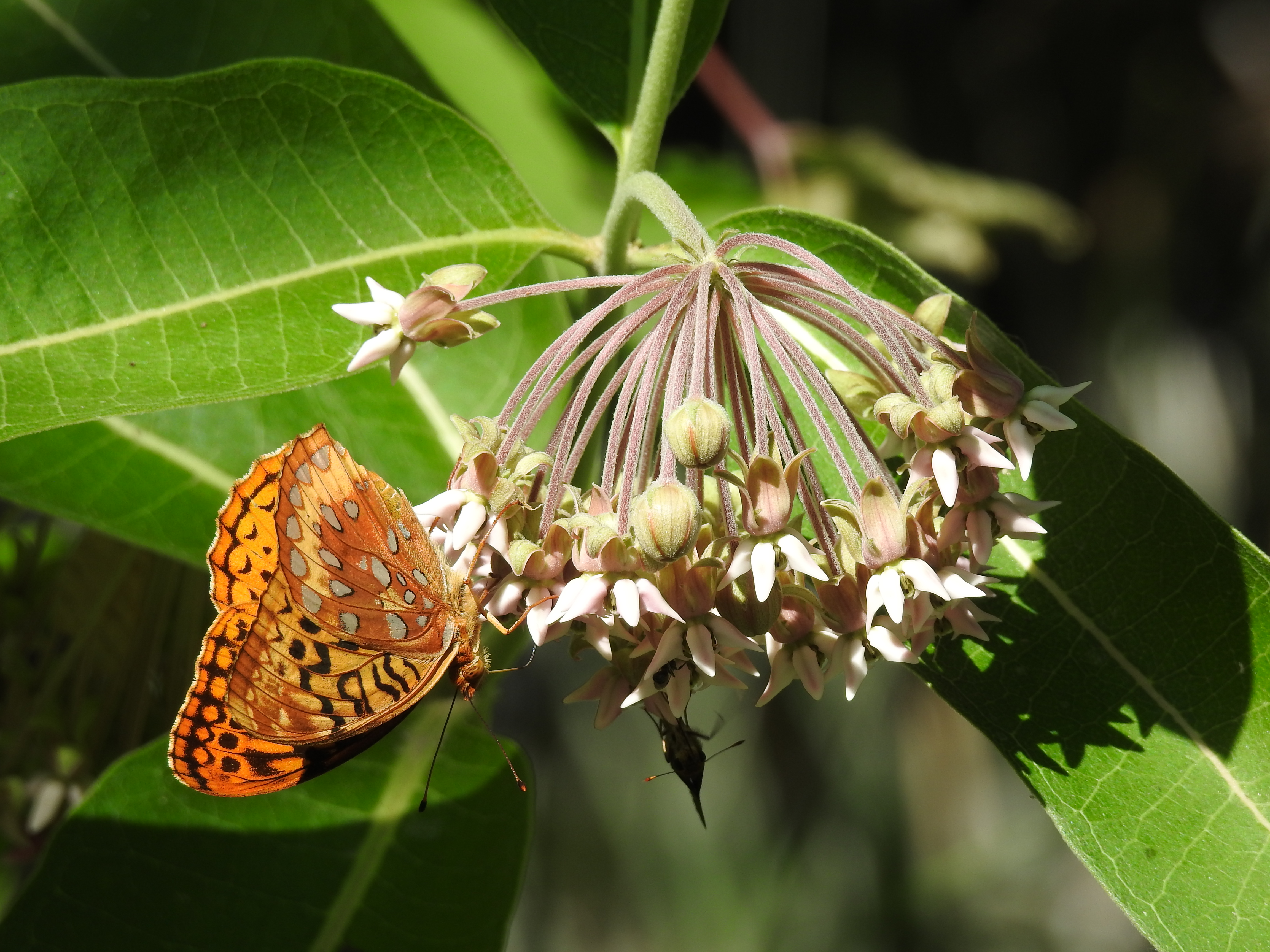
We found both common and butterfly milkweed in full bloom, as indeed they would be back home in our prairie garden. Jessa enjoyed photographing the butterfly milkweed and its attendant insects, as well as dragonflies, purple martins, and a handsome turkey vulture.

[Pipe-vine swallowtail.]

[Black swallowtail (or possibly Joan's swallowtail), a Batesian mimic of the pipe-vine swallowtail.]

[Bumblebee and unidentified blue, most likely eastern tailed blue.]

[Halloween pennant.]

[Cathartes aura.]

Eventually we made our way to the Elk-Bison Prairie. We saw no elk, but found the bison herd lounging and dust-bathing in a large wallow, with a couple of calves—a few weeks to perhaps a month old—amongst them. 

Visitors here are strictly enjoined to stay in their vehicles when bison are present, and a car makes a good blind in any case, but it seems there's one idiot in every crowd. This woman exited her vehicle (Florida tags, big surprise) and walked directly in front of us in her quest to take pictures on a phone much smarter than herself. Especially given the presence of young calves, we were surprised (and frankly, disappointed) that the buffalo didn't take greater exception to her effrontery. We can only hope that the broken-horned cow in the next photo had scored herself an obnoxious tourist...


But then again, maybe the herd has its reasons for lassitude. One nursing calf in particular was making a nuisance of itself to its mother, thumping her repeatedly with the top of its head to stimulate the flow of milk; we suspect the cow will be particularly relieved when the little bastard is finally weaned, especially as it's already budding horns.


For the most part, though, peace reigned as the herd took it easy in the afternoon heat, occasionally kicking up clouds of dust to keep biting insects at bay.


I can't remember at the moment who made this observation, but the golden pelage of the calves really does blend with dried bluestem and may serve as a form of camouflage when they're lying down. (This one, of course, isn't in little bluestem, but oh well...)

This last shot is my favourite of the many we took at LBL, and in fact my favourite bison photo of all time: with its intimacy and the dust hanging in the air, it looks like a Robert Bateman painting. We took turns with the camera, but I'm certain this one is Jessa's.